Why Some Links Go Viral While Yours Just Sit There: The Frequency Formula Your Competitors Already Know
You've seen it happen. A competitor drops a link, and within hours it's racking up clicks, shares, and engagement that make your own numbers look embarrassing. Meanwhile, you're posting links just as often — maybe even more — and getting a fraction of the traction. What gives?
The answer almost certainly has nothing to do with the quality of your content. It has everything to do with velocity — the speed and spacing at which you're putting links in front of people.
There's a sweet spot between posting too rarely and flooding the zone. Most marketers, creators, and digital teams miss it entirely. And once you understand why that gap exists, you'll start seeing your own link strategy with completely different eyes.
What Link Velocity Actually Means
Link velocity is a term borrowed loosely from SEO, where it describes the rate at which new links point to a domain over time. But for link sharing purposes — the kind that happens on social media, email newsletters, messaging apps, and content platforms — velocity means something slightly different.
Here, velocity is about the cadence at which you introduce URLs to your audience. Share them too infrequently, and you lose momentum; people forget you exist between drops. Share them too aggressively, and you trigger what behavioral researchers call reactance — an instinctive resistance to feeling pushed or overwhelmed.
The sweet spot? It's personal, platform-dependent, and surprisingly measurable once you know what to look for.
The Psychology Behind Why Timing Changes Everything
Human attention is cyclical, not linear. We don't engage with content in a steady stream — we have peaks of curiosity, windows of availability, and hard limits on what we can absorb before we start tuning things out.
When a link lands during one of those peak windows, it gets clicked. When it arrives during a trough — especially if it's the third or fourth link you've sent that day — it gets ignored, and worse, it trains your audience to ignore future links too.
There's also a scarcity effect at play. When links feel rare and intentional, they carry weight. Audiences subconsciously treat them as curated recommendations rather than noise. That psychological shift alone can double your click-through rate without changing a single word of your copy.
Algorithms have internalized this too. Platforms like LinkedIn, Instagram, and even email providers track engagement ratios. If you're sending links that get low open or click rates, your future links get deprioritized — buried in feeds or routed to spam folders. Velocity isn't just about human psychology; it's about machine learning patterns that have been trained on human psychology.
Real Patterns From Real Campaigns
Consider a mid-sized e-commerce brand that was sending promotional links to its email list five times a week. Open rates hovered around 11%, and click-through rates were barely breaking 2%. When they pulled back to two intentional, well-spaced sends per week — each featuring a single focused link rather than a cluster of five — their click-through rate jumped to nearly 9% within six weeks. Same list. Same general offer types. Dramatically different results.
Or look at what happens on Twitter/X when creators post a link multiple times in a single day versus once every three to four days. Studies tracking engagement on creator accounts consistently show that the accounts with longer gaps between link posts generate 40–60% more clicks per post on average, even accounting for the lower total volume.
The pattern holds across platforms: restraint creates appetite.
How to Find Your Personal Link Velocity Threshold
Here's a simple diagnostic framework you can run right now, using whatever link tracking tools you have access to — including something like LinkFrog's built-in analytics, which lets you see not just how many clicks a link gets, but when they cluster.
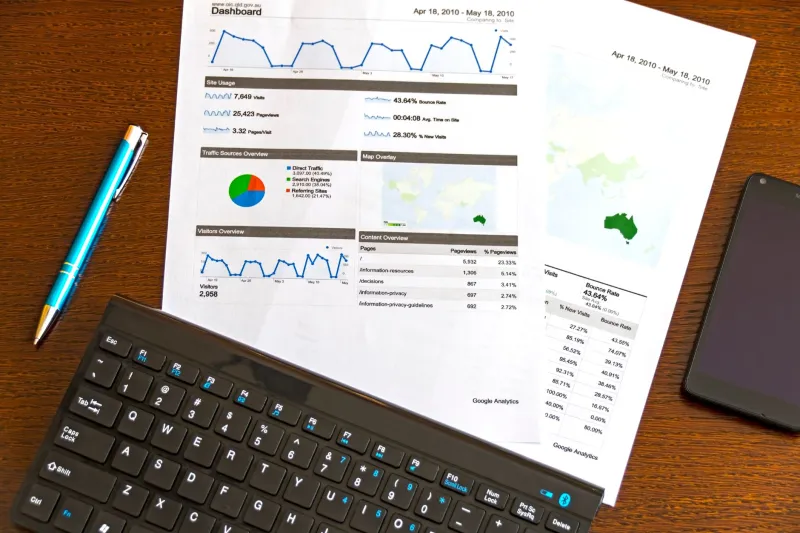
Step 1: Audit your last 30 days of link activity. Pull every link you shared across all channels and note the date, platform, and click count. Look for patterns — are your highest-performing links the ones that came after a gap in posting? Are your worst performers clustered close together?
Step 2: Calculate your gap-to-engagement ratio. For each link, note how many days passed since your previous link on the same channel. Then plot click rate against that gap. You're looking for the inflection point — the gap length where engagement peaks before it starts dropping off again from inactivity.
Step 3: Run a 30-day spacing experiment. Based on what you found, pick a cadence that's slightly more spread out than your current one. Hold it for a full month. Don't deviate. Track your average click-through rate at the end and compare it to the previous month.
Step 4: Adjust for platform behavior. Your threshold on Instagram Stories is going to be different from your threshold in a LinkedIn newsletter or a Slack community. Each channel has its own audience rhythm. Treat them separately.
Most people who run this exercise discover they've been posting links somewhere between 30–50% more frequently than their audience actually wants.
The Compounding Effect of Strategic Spacing
Here's the part that really flips the script: when you post links less frequently but more strategically, engagement doesn't just hold steady — it compounds.
Audiences that consistently receive well-timed, high-value links start to anticipate them. That anticipation drives higher open rates, faster click behavior, and more organic sharing. You're essentially training your followers to be receptive to your links the same way a great TV show trains viewers to tune in every week.
Over a six-month period, a creator or brand operating at their optimal link velocity will typically outperform a high-frequency poster by a wide margin, even if the high-frequency poster is generating more raw link volume. Quality of attention beats quantity of exposure every single time.
Stop Posting More. Start Posting Smarter.
The instinct to post more when engagement drops is almost universal — and almost universally wrong. More links don't fix a velocity problem; they deepen it. What actually works is pulling back, analyzing the gaps in your data, and rebuilding a cadence that respects how your specific audience consumes content.
At LinkFrog, we're big believers in using your link data as a feedback loop rather than just a vanity metric. Every click — and every non-click — tells you something about whether your timing is working. The brands and creators crushing it right now aren't necessarily producing better content. They've just figured out the rhythm that makes their audience lean in instead of scroll past.
Find your frequency. Protect it. And watch what happens when you finally give your links room to breathe.