Riding the Wave: How to Time Your Links So They Never Burn Out Too Soon
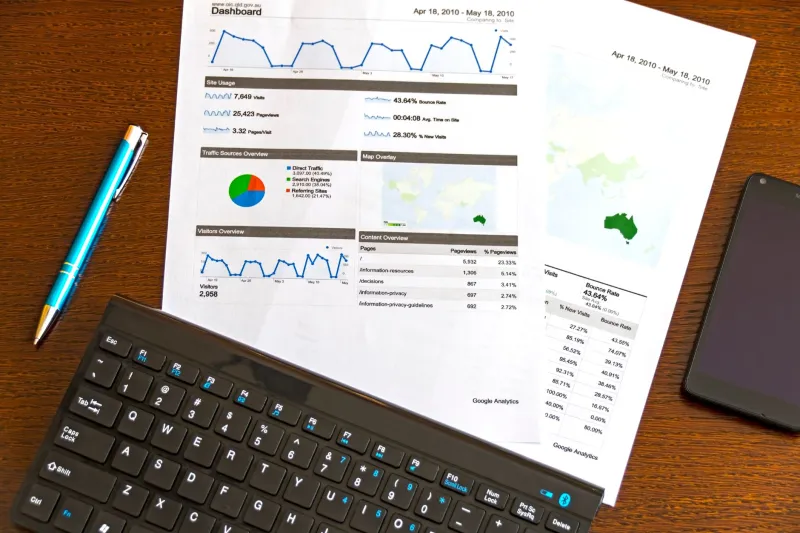
There's a moment in every campaign when a link hits its stride. Clicks are flowing, shares are stacking up, and your tracking dashboard looks like a stock ticker on a good day. Then, almost without warning, the whole thing stalls. The URL isn't broken. The content is still solid. But the momentum? Gone.
What most digital marketers miss is that links have a velocity — a natural pace at which they move through an audience — and ignoring that pace is one of the most expensive mistakes you can make. At LinkFrog, we spend a lot of time thinking about how URLs behave in the wild. And what we've found is that the question isn't just how often you share a link. It's how fast that link should move, channel by channel, segment by segment.
Let's break it down.
What Is Link Velocity, Exactly?
Think of link velocity as the speed at which a URL accumulates engagement over time. A high-velocity link blows up fast — lots of clicks in a short window, heavy early traffic, and a sharp drop-off. A low-velocity link builds slowly, earns clicks steadily, and tends to have a longer useful life.
Neither pattern is automatically better. But knowing which one you're dealing with changes everything about how you deploy that link across channels.
A news article shared during a breaking story? High velocity. A how-to guide tied to a perennial topic like tax prep or home buying? Low velocity, long tail. Treat them the same way and you'll either exhaust your audience too fast or leave serious engagement on the table.
The Three Phases Every Link Goes Through
Regardless of industry or content type, most links follow a predictable arc:
1. The Launch Window This is the first 24 to 72 hours after a link goes live. Engagement tends to spike here, especially on social platforms like X (formerly Twitter), Instagram Stories, or LinkedIn. Your most engaged audience — the people who already follow you — are the ones clicking. This is your highest-velocity phase, and it burns fast.
2. The Plateau After the initial spike, most links settle into a middle phase where clicks slow but don't stop. This is where SEO and email start doing heavier lifting. A link shared in a newsletter mid-week might still be getting opened and clicked five days later. If you're only watching real-time dashboards, you might mistake this plateau for failure — but it's actually a signal that the link still has gas in the tank.
3. The Long Tail (or the Flatline) Some links fade to near-zero clicks and stay there. Others — particularly those tied to evergreen content or strong search rankings — keep pulling in traffic weeks or months out. Knowing which camp your link falls into is the difference between archiving it too soon and missing out on a second-wave opportunity.
Reading the Data Signals
Your click data is telling you a story. The trick is knowing how to read it.
Click rate drop-off speed is your first clue. If a link loses 80% of its daily clicks within 48 hours, you're dealing with a high-velocity URL. If it loses 80% over two weeks, that's a slow burner — and it probably warrants a different distribution strategy.
Traffic source breakdown tells you where momentum is still alive. If social traffic has died but organic search is picking up, the link isn't spent — it's just shifted channels. That's a green light to keep it active in email or content embeds while pulling back on social pushes.
Geographic and device data can reveal untapped segments. A link that crushed it with desktop users in the Northeast might still have legs with mobile users in the South or Midwest. That's not a stale link — that's an underserved audience waiting for a targeted drop.
Real-World Examples Across Industries
A mid-sized e-commerce brand running a Black Friday campaign learned this the hard way. They launched a promo link on the Tuesday before Thanksgiving, blasted it across email and social simultaneously, and watched it spike — then crater — by Thursday morning. By the time their heaviest shopping traffic hit on Friday, the link felt old to their audience. The fix? A staggered rollout: email first on Tuesday, social on Wednesday, SMS on Thursday evening. Same link, same offer, three times the sustained click-through.
On the B2B side, a SaaS company sharing a whitepaper link found that LinkedIn engagement peaked in the first week but their email click-through rate kept climbing for nearly three weeks after the initial send. By resegmenting their list and re-sharing to non-openers with a slightly different subject line and CTA, they extended the link's productive life by almost a month — without creating a single new piece of content.
A media outlet covering a regional sports story watched their article link explode locally within hours, then noticed a secondary surge four days later when national sports aggregators picked it up. Because they were tracking with a shortened, tagged URL, they could see exactly when that second wave hit and pushed the link back into their own social queue to ride it.
How to Find Your Sweet Spot
There's no universal formula, but there are some practical benchmarks worth testing:
-
For social media: Most links peak within the first 6 hours on Instagram and X. LinkedIn gives you a longer runway — sometimes 24 to 48 hours before peak engagement. Don't reshare to the same audience within that window; it reads as spam.
-
For email: Give a link at least 5 to 7 days before calling it spent. Resend to non-openers with a new subject line and watch for a second click spike.
-
For cross-channel sequencing: Lead with your highest-intent channel (often email or SMS) and follow with broader social distribution 24 to 48 hours later. This staggers your audience exposure and prevents simultaneous saturation.
-
For evergreen content: Revisit links every 60 to 90 days. Audience turnover means people who missed it the first time are ready to see it now.
When to Pull the Plug — and When to Revive
A link is truly spent when click volume has flatlined across all channels, the content it points to is no longer accurate or relevant, and no new audience segment remains untouched. That's a real endpoint.
But a link that's simply quiet? That's a different situation. Quiet links are candidates for revival — especially if you've grown your audience, shifted your targeting, or have a seasonal hook that makes the content newly relevant. A piece about summer travel links shared last July can absolutely earn a second life in May.
The key is having the tracking infrastructure to know what you're looking at. Without clean, tagged URLs and a dashboard that breaks down traffic by source, timing, and geography, you're essentially flying blind. And flying blind is how good links die unnecessary deaths.
The Takeaway
Link velocity isn't a buzzword — it's a real, measurable phenomenon that shapes how your content performs across the entire digital ecosystem. Understanding it means you stop treating every URL like a single-use coupon and start thinking about links the way a smart investor thinks about assets: something to deploy strategically, monitor actively, and recycle when the timing is right.
Slap a tracking link on it, watch how it moves, and let the data tell you when to push and when to pause. Your audience will thank you — and your click-through rates will too.